





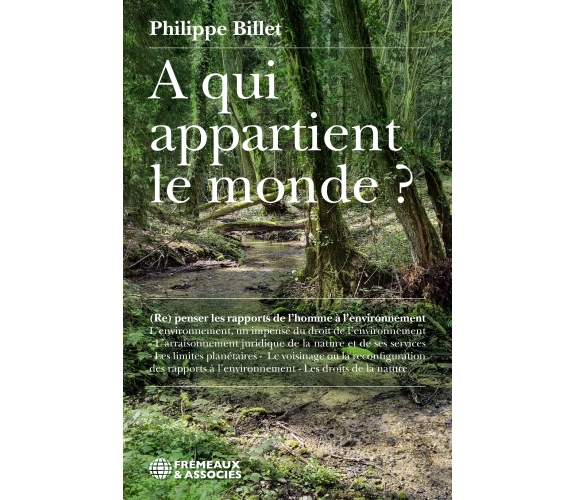

Re-penser les rapports de l’homme à l’environnement. Un livre de Philippe Billet
EAN/ISBN : 9782382832554
Author : Philippe Billet
Label : FREMEAUX & ASSOCIES
Nb of pages :
Shipped within 24 to 48 hours.
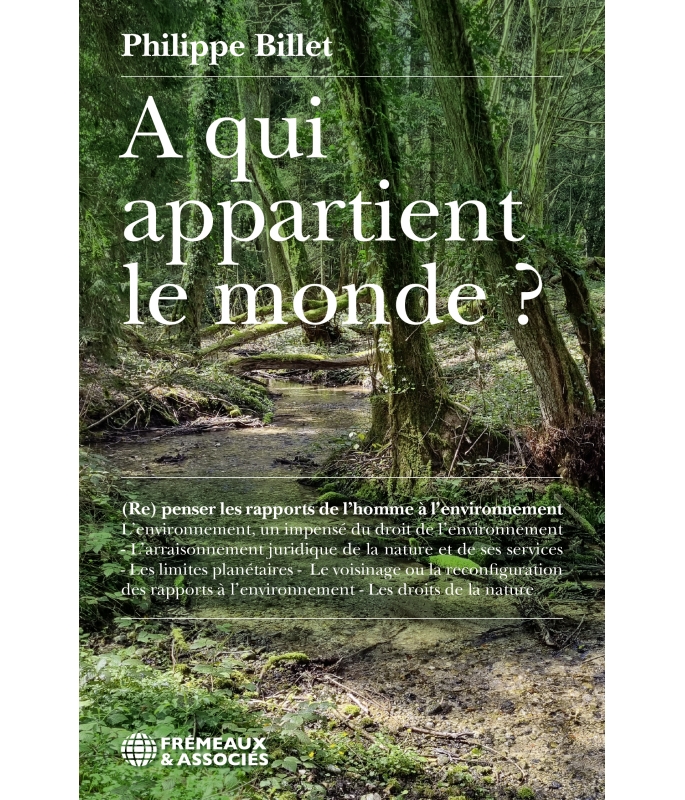
Re-penser les rapports de l’homme à l’environnement. Un livre de Philippe Billet

Toute la collection Humanities Books
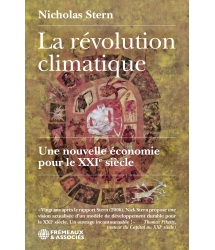
La Révolution climatique
Une nouvelle économie pour le XXIe siècle par Nicholas Stern
Paper Version
€28.00
Digital Version
€19.99
Les droits de la nature Vs les droits de l’environnement
Avec les contributions de Dominique Bourg, Thomas Fabre,...
Paper Version
€26.00
Digital Version
€17.99
Ecouter les oiseaux et les sons de la nature
L’école audio-naturaliste française - Un livre de Bernard...
Paper Version
€36.00
Digital Version
€24.99
Un autre monde est possible
Penser avec Gilbert Simondon – Un livre de Philippe Barrier
Paper Version
€22.00
Digital Version
€14.99
Where to order Frémeaux products ?