
 |
Ray Charles - The Grand Master His Inspiration / His Influence 1944-1962 |
- Our Catalog
- Philosophy
- Philosophers of the 20th century and today
- History of Philosophy (PUF)
- Counter-History and Brief Encyclopedia by Michel Onfray
- The philosophical work explained by Luc Ferry
- Ancient thought
- Thinkers of yesterday as seen by the philosophers of today
- Historical philosophical texts interpreted by great actors
- History
- Books (in French)
- Social science
- Historical words
- Audiobooks & Literature
- Our Catalog
- Jazz
- Blues
- Rock - Country - Cajun
- French song
- World music
- Africa
- France
- Québec / Canada
- Hawaï
- West Indies
- Caribbean
- Cuba & Afro-cubain
- Mexico
- South America
- Tango
- Brazil
- Tzigane / Gypsy
- Fado / Portugal
- Flamenco / Spain
- Yiddish / Israel
- China
- Tibet / Nepal
- Asia
- Indian Ocean / Madagascar
- Japan
- Indonesia
- Oceania
- India
- Bangladesh
- USSR / Communist songs
- World music / Miscellaneous
- Classical music
- Composers - Movie Soundtracks
- Sounds of nature
- Our Catalog
- Youth
- Philosophy
- News
- How to order ?
- Receive the catalog
- Manifesto
- Dictionnary
My Shopping Cart
Total (tax incl.)
€0.00
Subtotal
Free
Shipping
Total product(s)
0 items
Shipping
Free
Selected for you
Roots of Soul - Remastered
RAY CHARLES, FATS DOMINO, NINA SIMONE
CD Version
€119.00
Digital Version
€79.95
Django Reinhardt - The 40 CDs from the Complete (Season 1, 2 and 3)
THE COMPLETE WORKS 1928-1938THE COMPLETE WORKS...
CD Version
€199.00
Digital Version
€149.95
Composers - The 6 CD sets offer
Michel Magne, Nino Rota, Georges Delerue, Maurice Jarre,...
CD Version
€134.00
Digital Version
€99.95
To discover Jazz (Includes an audiobook in French)
UN COURS PARTICULIER DE LAURENT CUGNYLA QUINTESSENCE DU JAZZ
CD Version
€89.00
Digital Version
€55.95
Selected for you
The leading publisher of musical heritage and the Sound Library



My Shopping Cart
Total (tax incl.)
€0.00
Subtotal
Free
Shipping
Total product(s)
0 items
Shipping
Free
Selected for you
Roots of Soul - Remastered
RAY CHARLES, FATS DOMINO, NINA SIMONE
CD Version
€119.00
Digital Version
€79.95
Django Reinhardt - The 40 CDs from the Complete (Season 1, 2 and 3)
THE COMPLETE WORKS 1928-1938THE COMPLETE WORKS...
CD Version
€199.00
Digital Version
€149.95
Composers - The 6 CD sets offer
Michel Magne, Nino Rota, Georges Delerue, Maurice Jarre,...
CD Version
€134.00
Digital Version
€99.95
To discover Jazz (Includes an audiobook in French)
UN COURS PARTICULIER DE LAURENT CUGNYLA QUINTESSENCE DU JAZZ
CD Version
€89.00
Digital Version
€55.95
Selected for you
- Our Catalog
- Philosophy
- Philosophers of the 20th century and today
- History of Philosophy (PUF)
- Counter-History and Brief Encyclopedia by Michel Onfray
- The philosophical work explained by Luc Ferry
- Ancient thought
- Thinkers of yesterday as seen by the philosophers of today
- Historical philosophical texts interpreted by great actors
- History
- Books (in French)
- Social science
- Historical words
- Audiobooks & Literature
- Our Catalog
- Jazz
- Blues
- Rock - Country - Cajun
- French song
- World music
- Africa
- France
- Québec / Canada
- Hawaï
- West Indies
- Caribbean
- Cuba & Afro-cubain
- Mexico
- South America
- Tango
- Brazil
- Tzigane / Gypsy
- Fado / Portugal
- Flamenco / Spain
- Yiddish / Israel
- China
- Tibet / Nepal
- Asia
- Indian Ocean / Madagascar
- Japan
- Indonesia
- Oceania
- India
- Bangladesh
- USSR / Communist songs
- World music / Miscellaneous
- Classical music
- Composers - Movie Soundtracks
- Sounds of nature
- Our Catalog
- Youth
- Philosophy
- News
- How to order ?
- Receive the catalog
- Manifesto
- Dictionnary
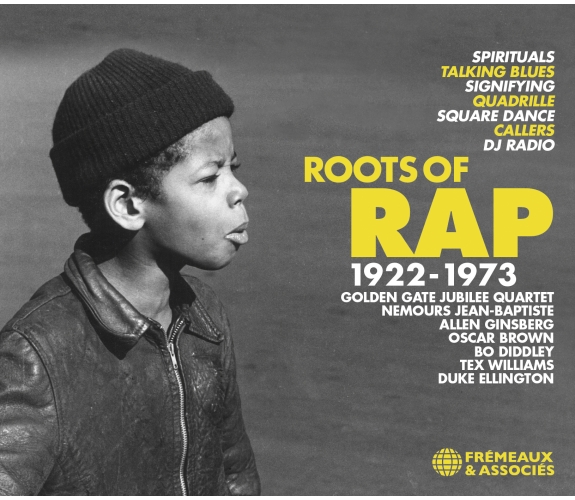
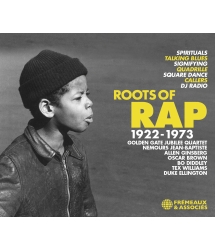
Roots of Rap 1922-1973
Ref.:
FA5918
Spirituals • Talking Blues • Signifying • Quadrille • Square Dance • Callers • DJ Radio
Golden Gate Jubilee Quartet • Nemours Jean-Baptiste • Allen Ginsberg Oscar Brown • Bo Diddley • Tex Williams • Duke Ellington
Ref.: FA5918
EAN : 3561302591827
Artistic Direction : BRUNO BLUM
Label : FREMEAUX & ASSOCIES
Total duration of the pack : 2 hours 29 minutes
Nbre. CD : 2
Select a version :
Thanks to this pack, you get a 20.00 %
discount or €9.99
This product is already in your shopping cart
A digital version of this product is already in your shopping cart
Shipped within 24 to 48 hours.
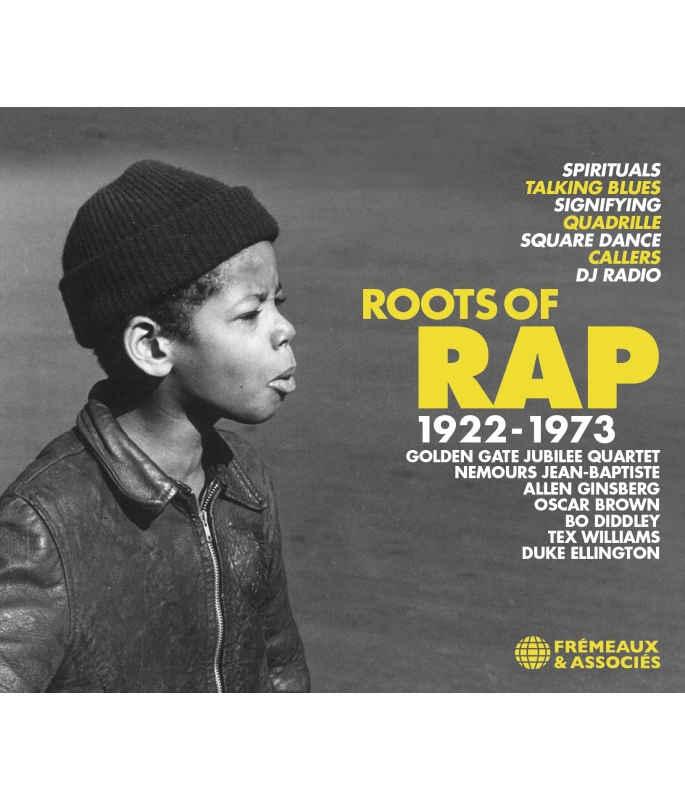
Spirituals • Talking Blues • Signifying • Quadrille • Square Dance • Callers • DJ Radio
Presentation
Rap was born with the art of speaking, and its Caribbean and U.S. roots were recorded right from the beginning of the 20th century: inflamed utterances, impassioned preaching, negro spirituals, folk and slam poets on the downbeat. But the amazing recordings included herein first and foremost show how quadrille callers morphed into DJs hosting dancefloors at the mike, laying the fundamentals of hip hop culture. Bruno Blum comments on more aspects of the roots of rap, such as radio DJs, talking blues and jazz.
Patrick FRÉMEAUX
DISC 1 - ROOTS OF HIP HOP : SPIRITUALS : 1. PUKKUMINA 3 CYMBALS - PUKKUMINA CONGREGATION 2’18 • 2. EARLY IN THE MORNIN’ - 22 AND GROUP 4’41 • 3. DRY BONES IN THE VALLEY - REVEREND JAMES M. GATES 3’43 • 4. PREACHER AND THE BEAR - GOLDEN GATE JUBILEE QUARTET 2’49 • 5. NOAH - GOLDEN GATE JUBILEE QUARTET 2’35 • 6. DID NOT OUR HEARTS BURN WHILE HE TALKED BY THE WAYSIDE - REV C. L. FRANKLIN 6’47 • 7. SCHACHARIT FOR WEEK DAYS – RABBI 2’16. SPOKEN WORD : 8. DEATH TO VAN GOGH’S EAR - ALLEN GINSBERG 9’16 • 9. BABYLON DID IT - MARCUS GARVEY 2’16 • 10. ETHIOPIA SHALL STRETCH FORTH HER HANDS UNTO GOD - MARCUS GARVEY 3’08. FOLK : 11. JAMAICA ALPHABET - LOUISE BENNETT 1’43. QUADRILLE, CALLERS, COMMANDEURS : 12. QUADRILLE FIGURES 1 & 2 - CHIN’S CALYPSO SEXTET 1’55 • 13. TURKEY IN THE STRAW - KESSINGER BROTHERS 2’55 • 14. CACKLING HEN - JESS HILLARD & HIS ACES 2’53 • 15. 1. 2. 3. A LA VANDE - SOSSO PÉ-EN-KIN 3’02 • 16. CONTRE DANSE N. 2 - NEMOURS JEAN BAPTISTE 3’17 • 17. CONTRE DANSE N. 4 - NEMOURS JEAN-BAPTISTE 2’16 • 18. QUADRILLE 1ST & 2ND FIGURES - ARTHUR MASTERS 2’17 • 19. FOUR CORNERS - KING STITT 3’08 • 20. L’ÉTÉ - ENSEMBLE DE QUADRILLE GUADELOUPÉEN 5’14 • 21. PANTALON - ENSEMBLE DE QUADRILLE GUADELOUPÉEN 2’56.
DISC 2 - FORERUNNERS OF RAP : 1. JE NE SUIS PAS BIEN PORTANT – OUVRARD 3’12. RADIO DJ : 2. ROCKET SHIP SHOW - JOCKO HENDERSON 0’34 • 3. THE MOONDOG SHOW - ALAN FREED 0’46. TALKING BLUES : 4. THE AMERICAN WOMAN AND WEST INDIAN MAN PT. 2 - SAM MANNING 2’55 • 5. SPECIAL STREAM LINE - BUKKA WHITE 2’53 • 6. SMOKE! SMOKE! SMOKE! THAT CIGARETTE - TEX WILLIAMS 2’54 • 7. SUSPICION - TEX WILLIAMS 2’55 • 8. KILLER DILLER - GENE COY 2’50 • 9. HOT ROD RACE - RAMBLIN’ JIMMY DOLAN 2’32 • 10. MARIE LAVEAU - PAPA CÉLESTIN 6’36 • 11. COPS AND ROBBERS - BOOGALOO 3’00 • 12. CLOTHES LINE - BOOGALOO 2’24 • 13. STRANDED IN THE JUNGLE - THE JAYHAWKS 2’50 • 14. JOHN L’S HOUSE RENT BOOGIE - JOHN LEE HOOKER 4’23 • 15. SIGNIFYING BLUES - BO DIDDLEY 4’28. JAZZ : 16. ZAJJ’S DREAM - DUKE ELLINGTON 3’03 • 17. READINGS FROM “ON THE ROAD” AND “VISIONS OF CODY” - JACK KEROUAC 3’30 • 18. MANHATTAN - GEORGE RUSSELL W/JON HENDRICKS 10’33 • 19. DRIVA’ MAN - MAX ROACH 5’15 • 20. BID ‘EM IN - OSCAR BROWN 1’31 • 21. JE SUIS UN SAUVAGE - ALFRED SANVI PANOU ET L’ART ENSEMBLE OF CHICAGO (SOUS LICENCE SARAVAH) 4’12• 22. C’EST NORMAL - BRIGITTE FONTAINE ET ARESKI (SOUS LICENCE SARAVAH) 4’23.
DIRECTION ARTISTIQUE : BRUNO BLUM
To Discover
ROOTS OF SOUL 1928-1962
OTIS REDDING • ARETHA FRANKLIN • JAMES BROWN • MARVIN...
CD Version
€29.99
Digital Version
€19.95
ROOTS OF FUNK 1947-1962
JAMES BROWN • MONGO SANTAMARIA • SUN RA / EDDIE BO •...
CD Version
€29.99
Digital Version
€19.95
THE ROOTS OF PUNK ROCK MUSIC
PUNK ROCK (THE ROOTS OF) 1926-1962
CD Version
€29.99
Digital Version
€19.95
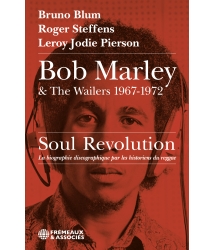
Bob Marley & The Wailers 1967-1972 - Soul Revolution
CD Version
€26.00
Digital Version
€17.99
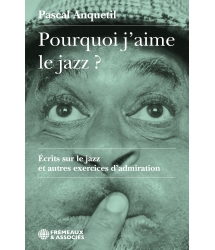
Pourquoi j’aime le jazz ?
Ecrits sur le jazz et autres exercices d’admiration -...
CD Version
€32.00
Digital Version
€21.99
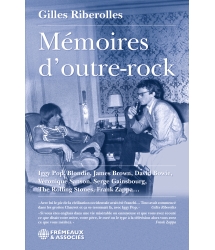
Mémoires D’outre-Rock (Iggy Pop, Blondie, James Brown, Bowie,...
Un livre de Gilles Riberolles
CD Version
€19.50
Digital Version
€12.99
To Discover
ROOTS OF SOUL 1928-1962
OTIS REDDING • ARETHA FRANKLIN • JAMES BROWN • MARVIN GAYE…
CD Version
€29.99
Digital Version
€19.95
ROOTS OF FUNK 1947-1962
JAMES BROWN • MONGO SANTAMARIA • SUN RA / EDDIE BO •...
CD Version
€29.99
Digital Version
€19.95
THE ROOTS OF PUNK ROCK MUSIC
PUNK ROCK (THE ROOTS OF) 1926-1962
CD Version
€29.99
Digital Version
€19.95
Bob Marley & The Wailers 1967-1972 - Soul Revolution
Paper Version
€26.00
Digital Version
€17.99
Pourquoi j’aime le jazz ?
Ecrits sur le jazz et autres exercices d’admiration - Un...
Paper Version
€32.00
Digital Version
€21.99
Mémoires D’outre-Rock (Iggy Pop, Blondie, James Brown, Bowie,...
Un livre de Gilles Riberolles
Paper Version
€19.50
Digital Version
€12.99
Press
“One of the most unusual compilations of the year - I’ve covered a number of terrific box sets from the French reissue label Fremeaux & Associes over the years, but when I saw their newest release -The Roots of Rap: 1922-1973 – my interest really peaked. Was I really going to cover “rap” in my column? Well, to my surprise, there are a lot of 78rpm records here. In the compiler’s mind, rap can be any rhythmic spoken word or spoken interlude in a musical recording. There’re gospel quartets, like the Golden Gate Jubilee Quartet’s “The Preacher and the Bear” (1937) and Rev J.M. Gates “Dry Bones in The Valley” (1927. The earliest are two speeches by Jamaican political activist Marcus Garvey (circa 1920) – and there are other Caribbean chant recordings from the 1960. Callers at a square dance are “rappers too! The prisoners from Mississippi’s Parchman Farm (recorded by Alan Lomax in 1947) perform the song “Early in the Morning”. Yes, there are recordings outside the normal focus of this column (like Alan Freed and radio jocks of the 1950s). There are quite a few French recordings too. The discs come packed with a 16-page booklet, with notes in both English and French. Available on Amazon. »By Steven Ramm - Anything Phonographic
« Le rap n’a pas surgi ‒ dans le courant des années 1970 ‒ des sound systems survitaminés bricolés par les DJs officiant dans le Bronx (1), tout armé de ses rimes contondantes, de ses musiques percutantes et de ses postures arrogantes. Si, en investissant la scène médiatique internationale le rap a d’emblée été perçu comme une rupture par le grand public, cette émergence s’inscrit en fait dans le prolongement d’une tradition langagière, musicale et gestuelle jusqu’alors tenue à distance par l’industrie culturelle, mais pratiquée depuis les origines au sein de la communauté afro-américaine. L’excellente compilation Frémeaux & Associés – « Roots of Rap 1922-1973 » – qui vient de paraître est là pour nous le rappeler.
Le rap aura fait passer de l’implicite à l’explicite tout un pan de la culture afro-américaine qui, jusqu’alors, restait à usage interne, ne concernant que les échanges entre pairs…
C’est en premier lieu le cas des échanges verbaux et des pratiques langagières comme les vantardises orales (woofing, loud speaking, boasting) proférées pour impressionner à la fois son interlocuteur et l’assistance, ou encore les rituels d’insultes salaces : les « douzaines dégueulasses » (dirty dozens) scandées et rimées, surtout par les garçons, mais, à l’occasion, également par les filles, et dans lesquelles la mère des protagonistes est régulièrement l’objet de quolibets obscènes.
C’est également le cas des toasts, ces contes et récits circulant entre adultes (2), qui mettent en scène des provocateurs rusés (trickster) comme Frère Lapin (Bre’ Rabitt), le Singe Vanneur (The Signifyin’ Monkey) ou le personnage de Shine ; des brutes violentes et implacables (bully, badman) dont les plus fameux représentants sont Stack O’ Lee, ou The Big Mack Daddy, ou encore le souteneur (pimp) à la fois brutal et beau parleur qui subjugue les femmes, mais qui n’hésite pas à les brutaliser pour les soumettre et les exploiter. (…)
On ne peut pas non plus ignorer – le livret de la compilation, signé Bruno Blum, nous le rappelle à juste titre – les influences caribéennes du rap et en particulier jamaïcaines : outre son Sound System « herculéens », le Jamaïcain Kool Herc (Clive Campbell) a popularisé l’adresse aux danseurs, dans des breaks parlés (toasts), afin d’inciter ces derniers à varier les figures, dans la tradition des commandeurs (callers) jamaïcains et antillais. Certains des pas de danse à l’œuvre dans le quadrille français du XVIIe siècle sont restées dans la culture créole des caraïbes et se sont transmis au hip-hop. (…)
Avec raison, la compilation exploite le filon religieux. Sermon et gospels rassemblés ici nous rappellent que rien de ce qui s’est imposé dans la culture profane afro-américaine n’échappe à l’influence religieuse, l’office du dimanche étant pour les Noirs le seul lieu de libre expression. Parmi les échantillons proposés dont le plus ancien Dry Bones in the Valley remonte à 1926, on trouvera notamment une homélie de Clarence LaVaughn Franklin, le papa d’Aretha : Did Not Our Hearts Burn While He Talked by the Wayside (1962).
Avec deux discours de Marcus Garvey, dont le premier Babylon did it remonte au début des années 1920 et une déclamation d’Allen Ginsberg (1959), la compilation n’oublie pas la tradition oratoire poético-politique dont se réclame le rap.
On peut s’interroger sur la pertinence du morceau proposé en ouverture du second disque de la compilation : propulser Gaston Ouvrard et son indéboulonnable Je ne suis pas bien portant (1933) au rang de précurseur du rap me semble pousser le bouchon un peu loin. Certes, comme toute formation culturelle, la culture hip-hop est le fruit de nombreux branchements – pour reprendre un concept anthropologique introduit par Jean-Loup Amselle (10) – mais repérer le câblage qui relirait le comique troupier de caf’ conc’ au rap n’est pas une tâche allant de soi et suppose un réseau de connexions à l’écheveau particulièrement emmêlé.
Apparemment plus justifiées sont les plages consacrées aux DJ de radios comme Joko Henderson ou Alan Fred qui, entre deux morceaux, ont popularisé la parole scandée et l’ont rendue aussi essentielle que les musiques qu’ils passaient à l’antenne. Les plages consacrées au talking blues ou au jazz s’insèrent à juste titre dans cette compilation. Même si le lien des morceaux retenus avec le rap et la culture hip-hop ne semble pas d’emblée évident, ou si l’on pouvait attendre un autre choix, par leur rareté, les titres sélectionnés devraient retenir l’attention des lecteurs d’ABS Mag. De la même manière, même si l’on peut s’interroger sur la pertinence du lien avec le rap, on est heureux de retrouver Brigitte Fontaine et Areski dans leur cynique C’est Normal, en conclusion de ce double album. Le morceau, extrait de l’album « Comme à la radio » (11), inaugurait la longue carrière française de l’Art Ensemble of Chicago.
On peut reprocher la partialité de cette compilation censée faire le bilan des racines du rap et son tropisme caribéen, propre à Bruno Blum, son maître d’œuvre. On peut également en pointer les « oublis » (…) toutefois, par-delà les querelles de spécialistes, ce double album reste précieux ; il a le mérite d’exhumer des enregistrements peu connus qui, indépendamment de l’intérêt que l’on porte au rap, devraient retenir l’attention de tous ceux qui s’intéressent à la vaste culture de cet « Atlantique Noir » si finement analysée par Paul Gilroy et dans laquelle l’esthétique des blues vient tout naturellement s’insérer.
Par Macel BENEDIT – ABS MAG
Le monde politique et le rap convergent-ils dans une même mise en scène transgressive ?
Avec Le Journal d’un prisonnier (Fayard, 2025), Nicolas Sarkozy achève sa transition de fils d’immigré (hongrois) en rappeur, entamée de longue date avec ses costumes et ses lunettes miroirs, sa fascination pour l'Amérique de Miami Vice, le bling-bling, les stylos et montres de prix, la transgression, le rejet de la psychologie portée par La Princesse de Clèves (Claude Barbin, 1678), son côté « parrain » du monde politique, ses groupies ; évolution renforcée par une riche trophy wife et ce qui est désormais la validation gangsta fashion ultime : son bracelet électronique, sans parler de son séjour de vingt-et-un jours au centre pénitentiaire de la Santé. Doc Gynéco serait hier et dépassé. (…)
Les discours vociférants des tribuns politiques, proches des prêches des églises pentecôtistes américaines, sont scandés et projetés avec les mêmes urgence et violence que les meilleurs morceaux d'Eminem, Jay-Z, Booba ou Orelsan. Représentés par ceux du nationaliste noir panafricain Marcus Garvey, ils sont ainsi mis en lumière par une excellente compilation produite par notre confrère rock critic, dessinateur et musicologue, Bruno Blum, pour le label Frémeaux & Associés, consacrée aux Roots of Rap 1922-1973 (après celles, tout aussi passionnantes, dédiées aux racines du funk, de la Great Black Music, des Race Records ou de la Color Line). On y retrouve, parmi les nombreuses origines de la tchatche musicale - talking blues, negro spirituals, gospel, les joutes de rue en dirty dozens, DJ radios, toasters jamaïcains, scat des vocalistes de jazz, poètes de la beat generation, commandeurs de quadrilles et de square dance, amuseurs de music-hall, Last Poets, Dylan de « Subterranean Homesick Blues ».
Yves Bigot – Rolling Stone
« Directeur de collections chez Frémeaux depuis quelques années déjà, l’érudit Bruno Blum (auteur en 2009 de l’essai “Le Rap Est Né En Jamaïque”, chez le même éditeur), propose à présent d’établir la genèse d’un genre devenu dominant (et en passe d’aborder bientôt son second demi-siècle). Il retrace ses origines depuis la contredanse et le quadrille importés aux Antilles par les colons européens, en passant par la scansion des field-hollers au cœur des pénitenciers du Sud du Mississippi, puis bien entendu par le prêche enflammé du gospel et des spirituals, avant de transiter par le spoken word des poètes beat (puis des Last Poets new-yorkais) jusqu’en Louisiane et dans les Caraïbes (où éclot la tradition du talking blues), pour finir par polliniser le blues, le western-swing, le doo-wop et le rock n’ roll. Cette remarquable sélection de 43 titres abonde ainsi d’exemples significatifs, depuis certains dance commanders guadeloupéens et haïtiens jusqu’à nos propres Ouvrard et Brigitte Fontaine – avec Areski – en passant par Allen Ginsberg, Tex Williams, Bukka White, Max Roach, Louise Bennett, Duke Ellington, John Lee Hooker, Jack Kerouac, Oscar Brown Jr., Ramblin’ Jimmy Dolan et Bo Diddley, sans oublier d’historiques radio DJs tels qu’Alan Freed et Jocko Henderson. La dimension émancipatrice et militante inhérente aux prémices du rap s’illustre notamment par les voix de Marcus Garvey et du poète et cinéaste béninois Alfred Sanvi Panou (accompagné de l’Art Ensemble Of Chicago), et le copieux livret ci-inclus complète judicieusement cette pertinente introduction à un courant dont le cheminement jalonne ainsi le siècle écoulé. Comme le démontra également le coffret “Roots Of Punk Rock” (dans la même série), aucun genre musical, aussi iconoclaste fût-il, n’émerge jamais sui generis, et Blum s’emploie avec le brio qu’on lui connaît à en dresser la passionnante exégèse. »
Par Patrick DALLONGEVILLE – PARIS MOVE
Tracklist
-
PisteTitleMain artistAutorDurationRegistered in
-
1Pukkumina 3 CymbalsPukkumina CongregationTraditionnel00:02:181956
-
2Early in the Mornin’22 and GroupTraditionnel00:04:411946
-
3Dry Bones in the ValleyReverend James M. GatesClarence LaVaughn Franklin00:03:431927
-
4Preacher and the BearGolden Gate Jubilee QuartetTraditionnel00:02:491937
-
5NoahGolden Gate Jubilee QuartetTraditionnel00:02:351939
-
6Did Not Our Hearts Burn While He Talked by the WaysideRev. C. L. FranklinClarence LaVaughn Franklin00:06:471962
-
7Schacharit for Week DaysRabbiTraditionnel00:02:161961
-
8Death to Van Gogh’s EarAllen GinsbergAllen Ginsberg00:09:161959
-
9Babylon Did ItMarcus GarveyMarcus Garvey00:02:161920
-
10Ethiopia Shall Stretch Forth Her Hands Unto GodMarcus GarveyMarcus Garvey00:03:081920
-
11Jamaica AlphabetLouise BennettTraditionnel00:01:431957
-
12Quadrille Figures 1 & 2Chin’s Calypso SextetTraditionnel00:01:551955
-
13Turkey in the StrawKessinger BrothersErnest Legg00:02:551928
-
14Cackling HenJess Hillard & His AcesJess Hillard00:02:531931
-
151, 2, 3, À la VandeSosso Pé-En-KinSolange Pé-En-Kin00:03:021939
-
16Contre Danse No. 2Nemours Jean-BaptisteTraditionnel00:03:171955
-
17Contre Danse No. 4Nemours Jean-BaptisteNemours Jean-Baptiste00:02:161958
-
18Quadrille 1st & 2nd FiguresArthur MastersArthur Masters00:02:171961
-
19Four CornersKing StittWinston George Sparks00:03:081962
-
20L’ÉtéEnsemble de Quadrille GuadeloupéenTraditionnel00:05:141972
-
21PantalonEnsemble de Quadrille GuadeloupéenTraditionnel00:02:561972
-
PisteTitleMain artistAutorDurationRegistered in
-
1Je ne suis pas bien portantOuvrardGeorges Konyn00:03:121933
-
2Rocket Ship ShowJocko HendersonDouglas Henderson00:00:341953
-
3The Moondog ShowAlan FreedAldon Freed00:00:461954
-
4The American Woman and West Indian Man, Pt. 2Sam ManningPorter Grainger00:02:551928
-
5Special Stream LineBukka WhiteBooker T. Washington White00:02:531940
-
6Smoke! Smoke! Smoke! (That Cigarette)Tex WilliamsMerle Travis00:02:541947
-
7SuspicionTex WilliamsLester William Polsfuss00:02:551948
-
8Killer DillerGene CoyEugene Coy00:02:501948
-
9Hot Rod RaceRamblin’ Jimmy DolanGeorge Wilson00:02:321950
-
10Marie LaveauPapa CélestinRobert L. Gurley00:06:361954
-
11Cops and RobbersBoogalooKent Levaughn Harris00:03:001956
-
12Clothes LineBoogalooKent Levaughn Harris00:02:241956
-
13Stranded in the JungleThe JayhawksJames Johnson00:02:501956
-
14John L’s House Rent BoogieJohn Lee HookerJohn Lee Hooker00:04:231951
-
15Signifying BluesBo DiddleyEllas Otha Bates McDaniel00:04:281960
-
16Zajj’s DreamDuke EllingtonEdward Kennedy Ellington00:03:031957
-
17Readings from On the Road and Visions of CodyJack KerouacJean-Louis Lebris de Kerouac00:03:301959
-
18ManhattanGeorge Russell with Jon HendricksLorenz Hart00:10:331958
-
19Driva’ ManMax RoachMaxwell Lemuel Roach00:05:151960
-
20Bid ’Em InOscar BrownOscar Brown Jr.00:01:311960
-
21Je suis un sauvageAlfred Sanvi Panou & The Art Ensemble of ChicagoAlfred Sanvi Panou00:04:121969
-
22C’est normalBrigitte Fontaine & AreskiBrigitte Fontaine00:04:231973
Booklet
Roots of Rap
1922-1973
By Bruno Blum
A voice rapping in rhythm can be heard in so many traditions, practices and recordings. Is it “rap” for all that?
What are the true origins of hip hop culture, which is always fixed in dancing? What are the roots of rap, a music style sweeping American and the whole world’s popular music since the 1980s? This anthology gives leads to try and answer this question about what has grown into a major, lasting, popular music trend. As this started in the 1970s, Jamaican DJs, who truly founded modern rap, ought to be included.
---------- DISC 1
QUADRILLE
This modest selection is shunting us towards the genuine roots of rap and its forerunners. Rap’s sources go back to dance teachers, who created French contredanse (derived from the “country dance”, a British style), mazurka and quadrille choreographies in Louis XIV’s court, as early as the 18th century. Four couples faced each other and danced a series of five required figures: L’Eté, Pantalon, la Poule, la Pastourelle and the Finale.
Those instructor artists told the figures orally as aristocrats carried them out through the dance. In the Americas, European settlers took those trendy music and dances along with them and dance teachers morphed into callers (commandeurs in French) in the olden days of creole quadrille. Many of the callers were initially slaves performing what had to be European-styled entertainment demanded by their masters, and they directed these French dances rapping on the beat. The tradition stuck and it contributed to shaping American and Caribbean music and dances. Guadeloupean caller Sosso Pé en Kin can be heard here on a recording from 1939, “1. 2. 3. La Vande”. Haitian bandleader Nemours Jean-Baptiste, who created the lasting contredanse-derived konpa direk style in the 1950s, also creolised this style in an exquisite way as his caller commanded “prenez vos dames Messieurs, et fixez la dame aux yeux Messieurs” (Gentlemen take your lady, and Gentlemen fix your eyes on her”) (introduction to “Contredanse n. 4”)[1].
This tradition can also be found in White America, throughout the Southern and Appalachean Eastern USA, where it’s called square dance (flat foot dance) : Heard herein are the Kessinger Brothers and Jess Hillard & His Aces (West Virginia). According to caller, banjo player of the Green Grass Cloggers, flat foot dance teacher and musicologist Phil Jamison, it was Black people who first started the caller tradition in American old time music[2].
In Martinique, quadrille is called haute taille. It still existed in traditional, folk form in the French Caribbean, the Appalachian Eastern US and Reunion Island in 2025. In Jamaica, it remained popular for over two centuries until it was supplanted, at first by blues and jazz, and then ska and reggae records.
The quadrille tradition plumetted around the end of the 1960s after a few rare recordings such as Chin’s Calypso Sextet: “Quadrille Figures 1 & 2” circa 1955 (no caller) and the McBeth Orchestra (with caller Arthur Masters at the microphone).
While quadrille fell into disuse, Jamaican callers carried on hosting events and entertaining the dancehall crowds, this time using a mike. They played hip American records in sound systems dances; 1950s dancers favoured U.S. “shuffle” blues at first, then Jamaican shuffle, as heard here with DJ King Stitt’s “live jive” (he used a tape echo on his voice). They kept doing this in the 1960s, over ska and reggae records. This use of microphones by DJs had started as early as 1950[3], in Jamaican dancehalls, but this vocal trend didn’t reach a wide audience until early records in this style, including King Stitt’s “Fire Corner” and a duet between U-Roy and Peter Tosh “Righteous Ruler” (1969), started selling. It is through this innnovation that Jamaica DJs invented modern rap, where the rapper talks in rhythm over an instrumental music track, adressing a crowd of dancers. Jamaican DJs exported their expertise in dances hosting, and rapping DJs in New York City’s Bronx, where Jamaican DJ Kool Herc and rapper Coke La Rock at the mike, were the forerunners of true vintage American rap, as early as 1973. The Last Poets, who were there before that, were rather poets delivering their militant lyrics over drums, and not in dancehalls. So they came close to be the first true rappers, but it was yet another Jamaican, DJ Dillinger, who scored the first proper international rap hit record in 1976: “Cocaine in my Brain” was performed over a very popular U.S. funk rhythm (People’s Choice’s “Do It Any Way You Wanna”) that was modified and re-recorded by Jamaican music giants Sly & Robbie at Dillinger’s request. But let’s go back to the roots of rap.
SPIRITUALS & GOSPEL
Nevertheless, apart from callers who shaped the basic style of modern rap, more elements added grist to the mill of this fundamentally oral music. So let us have a look at some of the origins that fed the roots of rap, and later its different branches. By nature, rap’s origin lays in the art of speaking. Speeches were cut on 78 RPM records early on. They carried ideas and voices as early as the 1910s, as can be heard here with the influential, Black nationalist Jamaican politician, Marcus Garvey.
“Babylon Did It” and “Ethiopia Shall Stretch Forth Her Hands Unto God” are both taken from the fire and fury of a public utterance, hammered out around 1920-1922, in which he preaches and chants racial self-determination.
These recordings left a deep mark on the anticolonial Rastafari movement in his country, Jamaica. They can be looked at as being the roots, the basic anchor of militant Jamaican DJ rappers of the 1960s-90s such as U-Roy, Big Youth, I-Roy, Dillinger, U-Brown, Buju Banton, Bounty Killa, Capleton and hundreds of others[4].
A Catholic, Garvey quoted the Bible in a similar way to Protestant preachings, such as “Dry Bones in the Valley” by Reverend Gates in Atlanta (1926) and “Did Not Our Hearts Burn” (Luke 24:32 sermon) by Reverend Franklin (Aretha’s father) in 1962. Christian denominations (Methodist, Pentecostal, Apostolic, Adventist, Baptist, etc.) were essential in constructing the Caribbean and African-American cultures which, as a result of racial segregation, developed in Black-only churches. Vocal expressions of the Bible also delivered “jubilee” vocal groups’ recordings like the Golden Gate Quartet’s, where the prosodic link with modern rap is striking[5].
The roots of these spirituals are to be found in animist, Afro-Caribbean trances, where singing and “rap” alternate, following the inspiration carried by the spirits (hear the beginning of the “rap” part at 0:25 on Disc 1, Track 1, by a Jamaican Pukkumina congregation) [6]. Also derived from animist spirituals were slave work songs; some convicts served life sentences of forced labour in what were once plantations in the Southern USA. In 1947, not much had changed since the abolition of slavery 82 years before (“Early in the Mornin’”).
According to a Bible precept, Sephardic Jews (Spaniards, Portuguese and North Africans) first had their slaves converted to Judaism then freed them six years later:
When you do set either one free, do not feel aggrieved; for in the six years you have been given double the service of a hired worker. Moreover, your God The Eternal will bless you in all you do.
- Deuteronomy 15:18
The descendents of these Sephardic Jews, which include New York City Black Jews, as well as the famous mixed-race stride and boogie woogie jazz pianist Willie “The Lion” Smith (whose father was a White Jew), were mainly settled in the Bronx and Brooklyn, where American rap first took root and thrived. They mixed with White Jews, who followed very ancient traditions of Torah readings in Hebrew. These readings are very rythmic, as heard here on “Schacharit for Week Days” (morning prayers), which preceded the derashat (sermon, explanation). They are performed following the custom of rocking the body back and forth, the shoklen movement. The scansion in Allen Ginsberg’s radical poem “Death to Van Gogh’s Ear”, which is “dedicated to the United States in the year of 1959”, does perhaps have roots in this atavistic rhythm – but certainly has a very different theme.
---------- DISC 2
RADIO DJS
Rap also plunges its roots into some radio hosts’ vocal styles, most notably that of the legendary poet, Jocko Henderson, who was one of the first African-American persons contributing to a radio show at the mike in America, the Rocket Ship Show. His partner, the famous Alan Freed of the Moondog Show, (who opened his appearances talking over an avant-garde Moondog tune[7]) broadcast Black rock ‘n roll as well as White rock ‘n roll from the early 1950s onward[8]. Six years after the execution of the Rosenbergs, Freed’s career was shattered in 1959, after a payola scandal that carried a lingering antisemitic and racist stench. Alan Freed coined the term “rock ‘n roll” and remains inextricably bound up in the history of rock on American radio; Like Jocko, he reached a huge audience and influenced DJs all over America, and even Jamaica.
TALKING BLUES
I’m a gonna take a just-a one step more
Cause I feel like bombin’ a church
Now now that you know that the preacher is lyin’
So who’s gonna stay at home
When when the freedom fighters are fighting?
Talkin’ blues (talkin’ blues), talkin’ blues (talkin’ blues)
- Bob Marley, Talkin’ Blues, 1974
The true rap forerunners’ recordings are found in the talking blues tradition, where verses are spoken in a very rythmic way. They can be found just about anywhere, from Leadbelly’s “Rock Island Line” to Johnny Cash records.
You’ll find them in the Caribbean (“The American Woman And West Indian Man Part 2”), in Mississippi blues (Bukka White’s “Special Stream Line” and John Lee Hooker’s “House Rent Boogie”) and all the way to French Aquitaine with Ouvrard’s huge 1934 novelty hit “Je ne suis pas
bien portant”. Just as appealing are Tex Williams’ compelling “Smoke! Smoke! Smoke! That Cigarette” and “Suspicion”. Williams became very popular in the late 1940s with hilarious, well-written western swing songs. Ramblin’ Jimmy Dolan’s proto-rockabilly “Hot Rod Race” in 1950 is in the same spirit.
In “Marie Laveau”, trumpet player Oscar “Papa” Célestin recounts the legend of the New Orleans’s voodoo queen. In this 1954 talking blues he inscribed jazz back into the West African storyteller, griot tradition. Gene Coy’s “Killer Diller” (1948), a Black talking blues shuffle was an early Jamaican sound system favourite, which strengthened the Caribbean quadrille caller connection with talking blues, a forerunner of the upcoming DJ style[9]. Boogaloo & the Gallant Crew released a couple of excellent sides, “Cops and Robbers” (soon to be recorded by Bo Diddley and the Rolling Stones) and “Clothes Lines” (famously plagiarised by The Coasters on their “Shoppin’ For Clothes” masterpiece[10]). We make a note here that rap already had some prestigious precursors. Bo Diddley himself wrote “Signifying Blues” in the Black neighbourhoods dirty dozens spirit; protagonists made fun of each other in a game called signifying, slowly raising their voices in challenging dialogues. This was a foretaste of hip hop’s “boasting” and sparring matches, which can also be found in some Jamaican DJ records as well as Trinidad-and-Tobago’s calypso[11]. Bo Diddley is also heard here on “Ride on Josephine”, where he switches back and forth from “rap” to chant.
Now, the funny “Stranded in the Jungle” is a rare mention of Africa in rhythm and blues[12]. The Cadets and the New York Dolls later recorded this R&B classic by the obscure Jayhawks from California.
JAZZ
Besides talking blues, the jazz world also used spoken word in rhythm. Here are a few examples: Jazz giant Duke Ellington became a narrator in a TV show (A Drum Is a Woman) for which he created the characters Carribee Joe and Madame Zajj, a vamp. He describes them here in “Zajj’s Dream”, a fiction story staged in New York City and Congo Square in New Orleans. However, as for Jack Kerouac here, these experiences were quite close to poetry reading, which was typical of the literate, intellectual spirit of the 1950s beat generation[13]. Consequently, they ought to be considered distinct from a will to host and entertain a dancehall audience, which by all means is a condition to be fully affiliated to “hip hop” culture. We can therefore admit that they were part of the “roots” but are not truly forerunners of it.
However, Oscar Brown and Abbey Lincoln, with Max Roach, harshly alluded to slavery and George Russell with Jon Hendricks (“Manhattan”) delivered written vocal contributions that can be looked at as close to the scat style (improvised singing in onomatopoeias, often without lyrics, as if improvising on an instrument). Actual scat can be found here with The Golden Gate Quartet (at the end of “Preacher and the Bear”), a group which performed spirituals and gospel in a jazz style.
So, in doing this, they got closer to the original free dancing spirit of jazz, which was often played in dancehalls such as the Savoy Ballroom, where dances such as the lindy hop[14] (acrobatic rock ‘n roll) – a true forerunner of hip hop culture – were thriving and growing.
Born in Lomé (Togo), Alfred Sanvi Panou is a poet, activist and film maker from Benin. His Je suis un sauvage backed by the Art Ensemble of Chicago was a forerunner of afro activism in France and at the same time a French-speaking nod to New York rap precursors The Last Poets. C’est Normal by Brigitte Fontaine & Areski was typical of the hippie years delirium when spoken stories over rhythms were somewhat a trend (Big Youth “Hip Ki Do”, Pierre Vassiliu “Le Film” or Serge Gainsbourg “Pamela Popo”, all from 1973).
Bruno Blum, August 2025.
© 2026 Frémeaux & Associés
With thanks to Chris Carter for proofreading.
[1]. Read the booklet and listen to Haiti - Meringue & Konpa 1952-1962 with notes by Bruno Blum in this series.
[2]. Phil Jamison, Hoedowns, Reels, and Frolics: Roots and Branches of Southern Appalachian Dance (University of Illinois Press, 2015)
[3]. Steve Barrow & Peter Dalton, The Reggae Rough Guide (Rough Guides, Penguin Books, second edition: 2001).
[4]. More Marcus Garvey vocal recordings can be found in the Africa in America - Rock Jazz & Calypso 1920-1962 and Slavery in America - Redemption Songs 1914-1972 (Frémeaux-Musée du Quai Branly) sets, both with Bruno Blum notes, in this series.
[5]. Read Bruno Blum’s booklet and listen to The Indispensable Doo Wop – Vocal Groups 1934-1962 and Golden Gate Quartet – Gospel 1937-1941, both in this series.
[6]. Read Bruno Blum’s booklet and listen to Jamaica Folk Trance Possession – Roots of Rastafari 1939-1961 in this series.
[7]. Read Bruno Blum’s booklet and listen to Moondog in Avant-Garde 1888-1970 - Musique Expérimentale, Génies, Visionnaires, Révolutionnaires, incompris et innovateurs excentriques, in this series. Hear Moondog also on Roots of Pop in this series.
[8]. Hear also Race Records, Black rock ‘n roll forbidden on U.S. Radio in this series.
[9]. In 1961, Clue J & The Blues Blasters recorded this composition in Jamaica under the name “Milk Lane Hop”. Read Bruno Blum’s booklet and listen to Jamaica-USA Roots of Ska – Rhythm and Blues Shuffle 1942-1962 in this series.
[10]. The Coasters’ “Shoppin’ For Clothes” is included on The Indispensable Doo Wop – Vocal Groups 1934-1962 in this series.
[11]. A different version of Signifying Blues is included in the Bo Diddley 1955-1960 (Volume 1) set in this series, with notes by Bruno Blum.
[12]. Read Bruno Blum’s booklet and listen to Africa in America – Rock, Jazz & Calypso 1920-1962 in this series.
[13]. Read Bruno Blum’s booklet and listen to Beat Generation – Hep Cats, Hipsters & Beatniks 1936-1962, which was co-published by the Paris Museum of Modern Art Centre Pompidou, in this series.
[14]. Read the booklet by Jacques Morgantini and listen to The Savoy Ballroom – House Bands 1931-1955 in this series.
Roots of Rap
1922-1973
DISC 1 – ETHNOLOGIC ROOTS OF HIP HOP
--------- SPIRITUALS
- PUKKUMINA 3 CYMBALS - Pukkumina congregation
(traditional, unknown)
Unknown musicians. Field recordings produced and recorded by Edward Seaga in Kingston, Jamaica 1953-1956. Folk Music of Jamaica, Ethnic Folkways Library FE4453, USA 1956.
- EARLY IN THE MORNIN’ - 22 and group
(traditional, unknown)
“22,” “Little Red,” “Tangle Eye,” “Hard Hair”-v, double cutting axes. Recorded by Alan Lomax, Mississippi State Penitentiary (aka Parchman Farm), 590 Parchman 40 Rd, Parchman, Mississippi 38738, 1947 or 1948. Tradition TLP-1020, USA.
- DRY BONES IN THE VALLEY - Reverend James M. Gates
(J.M. Gates)
James M. Gates-v; Congregation. Atlanta, Georgia, December 1, 1926. Victor 35810, April, 1927, USA.
- PREACHER AND THE BEAR - Golden Gate Jubilee Quartet
(traditional, unknown)
Willie Johnson-bar. v; William Langford-tenor v; Henry Owens-2nd tenor v; Orlandus Wilson-bass v. Charlotte, North Carolina, August 4, 1937. Bluebird B-7205-A, 1937.
- NOAH - Golden Gate Jubilee Quartet
(traditional, unknown)
Willie Johnson-bar. v; William Langford-tenor v; Henry Owens-2nd tenor v; Orlandus Wilson-bass v. Rock Hill, South Carolina, February 2, 1939. Bluebird B-8160-B, 1939.
- DID NOT OUR HEARTS BURN WHILE HE TALKED BY THE WAYSIDE (excerpt)
(Clarence LaVaughn Franklin)
Reverend Clarence LaVaughn Franklin-v ; Congregation. New Bethel Baptist Church Detroit, Michigan. Battle 6110, USA, 1962
- SCHACHARIT FOR WEEK DAYS (morning prayer)
(Bible reading)
Anonymous Rabbi-v. Massachussets, circa 1961.
--------- SPOKEN WORD
- DEATH TO VAN GOGH’S EAR - Allen Ginsberg
(Allen Ginsberg )
New York City, 1959.
- BABYLON DID IT - Marcus Garvey
(Marcus Garvey)
United States, possibly New York City, circa 1920.
- ETHIOPIA SHALL STRETCH FORTH HER HANDS UNTO GOD - Marcus Garvey
(Marcus Garvey)
United States, possibly New York City, circa 1920.
--------- FOLK
- JAMAICA ALPHABET - Louise Bennett
(traditional, unknown)
Louise Bennett-v; unknown-g. Kingston, Jamaica, circa 1957. Children’s Jamaican Songs and Games, Folkways FC 7250, USA, 1957.
--------- QUADRILLE, CALLERS, COMMANDEURS
- QUADRILLE FIGURES 1 & 2 - Chin’s Calypso Sextet
(traditional, unknown)
Alerth Bedasse-g. Aaron Carr or Peck-rumba box; unknown-vln; Cheston Williams-bj; Everard Williams-perc; Produced by Ivan Chin. Kingston, Jamaica, 1955. Decca or Pye Records, circa 1955.
- TURKEY IN THE STRAW - Kessinger Brothers
(Ernest Legg)
“Fiddle and guitar with dance calls” Ernest Legg-v; Clark Kessinger-fdl; Luke Wilber Kessinger as Luches Kessinger-g. Ashland, Kentucky. Brunswick 235, 1928.
- CACKLING HEN - Jess Hillard & His Aces
(Jess Hillard)
Jess Hillard-v, g; possibly Jess Johnston-fdl; possibly Nelson Hillard- mandolin. Richmond, Indiana, September 11, 1931. Champion S-16333, 1931.
- 1. 2. 3. A LA VANDE - Sosso Pé-En-Kin et l’Orchestre du Bal Bill Amour
(Solange Pé-En-Kin)
Solange Pé-En-Kin as Sosso Pé-En-Kin-v; Michel Berté-cl; possibly Anany-perc; g. Paris, France, February 1939. Polydor 514-312, 1939.
- CONTRE DANSE N. 2 - Nemours Jean-Baptiste
(traditional, unknown)
Julien Paul-lead v; possibly André Dorismond-v; vocal chorus; Nemours Jean-Baptiste- arr., leader, ts ; possibly Wébert Cicault as Wébert Sicot -as; tp; tb; Richard Duroseau-acc; b ; congas; hand drums; graj scrape percussion. Produced by Joe Anson & Fritz G. Anson. Possibly recorded by Ricardo Widmaïer, Radio HH3W studio, Port-au-Prince circa 1955. Haïti Meringues aux Calebasses, Anson 823.
- CONTRE DANSE N. 4 - Nemours Jean-Baptiste
(Nemours Jean-Baptiste)
Julien Paul-v; Nemours Jean-Baptiste-arr., leader, ts; Richard Duroseau-acc; b, graj scrape percussion, congas. Produced by Joe Anson, recorded by Fritz G. Anson, Port-au-Prince circa 1958.
- QUADRILLE 1ST & 2ND FIGURES - Arthur Masters W/The McBeth Orchestra
(Arthur Masters)
Arthur Masters-v; McBeth-bj; Ruben White-tp; Melburn Reynolds-ts; Cleveland Reynolds-b; Edga Murry-g; Neville Johnson-d. Kingston, Jamaica, circa 1961.
- FOUR CORNERS - King Stitt W/Clue J & The Blues Blasters
(Winston George Sparks aka King Stitt, Clement Dodd, Rolando Alphonso)
Winston George Sparks as King Stitt-v; Rolando Alphonso-ts; Jerome Haynes as Jah Jerry-g; Aubrey Adams-org; Cluett Johnson-b; Arkland Parks as Drumbago-d. Produced by Clement “Coxson” Dodd, Federal Studio, Kingston, Jamaica, 1962. Studio One, circa 1962.
- L’ÉTÉ - Ensemble de Quadrille Guadeloupéen
- PANTALON - Ensemble de Quadrille Guadeloupéen
(traditional, unknown)
Ambroise Gouala-v; Élie Cologer-v; Donnadié Monpierre-b; g, perc. Produced by Raymond Célini. Pointe-à-Pitre, Guadeloupe, 1972.
DISC 2 – FORERUNNERS OF RAP
- JE NE SUIS PAS BIEN PORTANT - Ouvrard
(Georges Konyn aka Géo Koger, Vincent Baptiste Scotto, Gaston Ouvrard)
Gaston Ouvrard-v; Orchestre Ultraphone, Maurice André, dir. Ultraphone U, AP725, 1933.
--------- RADIO DJ
- ROCKET SHIP SHOW - Jocko Henderson
(Douglas Henderson aka Jocko Henderson)
Douglas Henderson aka Jocko Henderson-v; Alan Freed-v. WADO Radio, a Black station in New York City, 1953. Recorded by Roger Steffens.
- THE MOONDOG SHOW - Alan Freed
(Aldon Freed aka Alan Freed)
Aldon Freed as Alan Freed-v.
Cleveland, Ohio, WJW Radio, April 6, 1954.
Please note: background music by Moondog.
--------- TALKING BLUES
- THE AMERICAN WOMAN AND WEST INDIAN MAN PT. 2 - Sam Manning & Anna Freeman
(Porter Grainger)
Sam Manning, Anna Freeman-v; Porter Grainger-p. Brunswick 7028.
New York City, March 19, 1928. Brunswick 7028, 1928.
- SPECIAL STREAM LINE - Bukka White
(Booker T. Washington White aka Bukka White)
Booker T. Washington White as Bukka White-v, slide g; washboard. Vocalion 05526, 1940.
- SMOKE! SMOKE! SMOKE! THAT CIGARETTE - Tex Williams and His Western Caravan
(Merle Travis, Sollie Paul Williams aka Tex Williams)
Tex Williams with Jack Marshall’s Music
Sollie Paul Williams as Tex Williams-v; Johnny Weis el. g; Eugene
Rogers as Smokey Rogers-ac. g; Earl Murphey as Joaquin Murphey-pedal steel g; Manny Klein-tp; Paul Featherstone as Spike Featherstone-harmonica; Larry DePaul as Pedro DePaul-accordion; Andrew Soldi as Cactus Soldi, Harry Sims, Rex Call, fiddles; Ossie Godson-p; Deuce Spriggens-b, v; Milton Berry as Muddy Berry-d. Produced by Leland James Gillette as Lee Gillette. Radio Recorders, Los Angeles, March 27, 1947. Capitol 40001, May, 1947.
- SUSPICION - Tex Williams and His Western Caravan
(Lester Williams Polsfuss aka Les Paul, Foster Carling)
Same as above. Capitol 2897, 1948.
- KILLER DILLER - Gene Coy & His Killer Dillers
(Eugene Coy aka Gene Coy)
Eugene Coy as Gene Coy-v; tp, ts; Ann Coy-p; Sonny Jay-b; d. New York, June 30, 1948. Regent 129-A, USA, 1948.
Please note : in 1961 Clue J & The Blues Blasters recorded this composition in Jamaica for producer Clement “Coxson” Dodd who renamed it “Milk Lane Hop”.
- HOT ROD RACE - Ramblin’ Jimmy Dolan
(George Wilson)
Jim Dolan as Ramblin’ Jimmie Dolan-v, g; Cameron Hill-g; Eddie Kirk-g; Noel Boggs-steel; Cliffie Stone-b; Tex Atchison-fid. Produced by Ted Nelson. Capitol Recording Studio, 5515 Melrose Ave., Hollywood, California. November 9, 1950.
- MARIE LAVEAU - Papa Célestin with Celestin’s Original Tuxedo Orchestra
(Robert L. Gurley)
Oscar Célestin as Oscar “Papa” Célestin-v, tp; Edward Pierson aka Red-tb; Adolphe Alexander-as; Joseph Thomas-cl; Albert French-bjo; Jeannette Kimball-p; Sidney Brown-b; Louis Barbarin-d. New Orleans, Louisiana, April 24, 1954. Regal Records 1201.
- COPS AND ROBBERS - Boogaloo & His Gallant Crew
(Kent Levaughn Harris)
Kent Levaughn Harris as Boogaloo-v. Musicians unknown. Crest 1030. Hollywood, 1956.
- CLOTHES LINE - Boogaloo & His Gallant Crew
Same as above.
- STRANDED IN THE JUNGLE - The Jayhawks
(James Johnson, Al Curry, Ernestine Smith)
James Johnson as Jimmy Johnson-lead v; Dave Govan-bar. v; Carver Bunkum-bass v; unknown musicians, possibly including Carlton Fisher as Carl Fisher, René Beard, Cleo White. Flash Records. Los Angeles, May 1956.
- JOHN L’S HOUSE RENT BOOGIE - John Lee Hooker
(John Lee Hooker)
John Lee Hooker-v, g. Hollywood, 1951. Modern 20-814, May 1951.
- SIGNIFYING BLUES - Bo Diddley
(Ellas Otha Bates McDaniel aka Bo Diddley)
Bo Diddley-v, g; Jerome Green-v, maracas; Otis Spann-p; Bobby Baskerville-b; Clifton James-d. Bo’s Home Studio, Washington DC, January, 1960. Checker 965, 1960.
--------- JAZZ
- ZAJJ’S DREAM - Duke Ellington
(Edward Kennedy Ellington aka Duke Ellington, Billy Strayhorn)
Edward Kennedy Ellington as Duke Ellington-narrator; Margaret Tynes, Joya Sherill, Ozzie Bailey-v; Edward Kennedy Ellington as Duke Ellington-p; Paul Gonsalves-lead ts; Russel Procope-lead cl; Clark Terry, Willie Cook, Cat Anderson-tp; Ray Nance-tp, vln; Quentin Jackson-Britt Woodman-lead tb; John Sanders-tb; Jimmy Hamilton-ts, cl; Johnny Hodges, Rick Henderson-as; Harry Carney-bar, cl, b-cl; Jimmy Woode-b; Sam Woodyard, Terry Snyder-d; Candido Camero-bongos.
New York City, September 17-28, October 22, 23 or December 6, 1956. A Drum Is a Woman, Columbia, CL 951, 1957.
- READINGS FROM “ON THE ROAD” AND “VISIONS OF CODY” - Jack Kerouac with Steve Allen
(Jean-Louis Lebris de Kerouac aka Jack Kerouac, Stephen Valentine Patrick William Allen aka Steve Allen)
Jean-Louis Lebris de Kerouac as Jack Kerouac-v; Stephen Valentine Patrick William Allen as Steve Allen-p. The Steve Allen Plymouth Show, NBC Color City Studios, Burbank, California. Broadcast on NBC TV, November 16, 1959.
- MANHATTAN - George Russell feat. Jon Hendricks
(Lorenz Hart, Richard Charles Rodgers) George Russell & His Orchestra: Jon Hendricks-v; Art Farmer, Doc Severinsen, Ernie Royal-tp; Bob Brookmeyer, Jimmy Cleveland-tb; Hal McKusick-as; John Coltrane-ts; Sol Schlinger-bar s; Milt Hinton-b; Charlie Persip-d. George Allan Russell-arr., dir. New York, September 12, 1958.
- DRIVA’ MAN - Max Roach
(Maxwell Lemuel Roach, Oscar Brown, Jr.)
Abbey Lincoln-v; Booker Little-tp; Julian Priester-tb; Coleman Hawkins-ts; Walter Benton, ts; James Schenck-b; Maxwell Lemuel Roach as Max Roach-d. Produced/supervised by Nat Hentoff, recorded by Bob D’Orleans. Nela Penthouse Sound Studio, New York, August 31, 1960. We Insist! Max Roach’s Freedom Now Suite, Candid CJM 8002, USA.
- BID ‘EM IN - Oscar Brown
(Oscar Brown Jr.)
Oscar Brown Jr.-v, possibly perc. June 20/October 23, 1960.
- JE SUIS UN SAUVAGE - Alfred Sanvi Panou et The Art Ensemble of Chicago.
(Alfred Sanvi Panou aka Alfred Panou)
Alfred Sanvi Panou as Alfred Panou -v; The Art Ensemble of Chicago: Lester Bowie-tp; Roscoe Mitchell-sax, poss. perc; Joseph Jarman-cl, poss. perc; Malachi Favors Maghostut-b, poss. perc; Claude Delcloo-perc. Daniel Valancien-engineer. Produced by Pierre Barouh, Jean Georkarakos, Jean-Luc Young. Studio Saravah, Paris, France, June, 1969. Saravah SH 40014, October 14, 1969. (sous licence Saravah).
- C’EST NORMAL - Brigitte Fontaine & Areski
(Brigitte Fontaine, Areski Belkacem)
Brigitte Fontaine-v; Areski Belkacem-v, perc; Jean Querlier-fl; unknown perc. Studio Saravah, Paris, France, 1973. Produced by Pierre Barouh. Saravah SH 10 041, 1973. (sous licence Saravah).
Toute la collection Rock
View all products
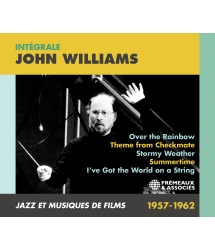
John Williams - Intégrale 1957-1962
Jazz et musiques de films
CD Version
€29.99
Digital Version
€19.95
The Indispensable Ricky Nelson
1957-1962
CD Version
€29.99
Digital Version
€19.95
Roots of Rap 1922-1973
Spirituals • Talking Blues • Signifying • Quadrille •...
CD Version
€29.99
Digital Version
€19.95
John Barry - Intégrale 1957-1962
Rock n’roll, jazz et musiques de films
CD Version
€29.99
Digital Version
€19.95