






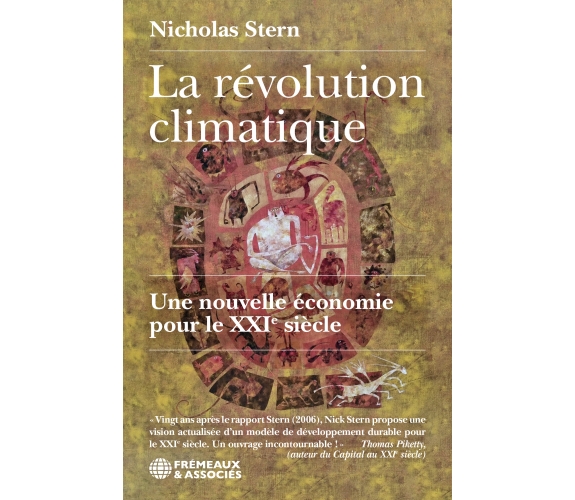

Une nouvelle économie pour le XXIe siècle par Nicholas Stern
EAN/ISBN : 9782382834602
Author :
Label : FREMEAUX & ASSOCIES
Nb of pages :
Shipped within 24 to 48 hours.
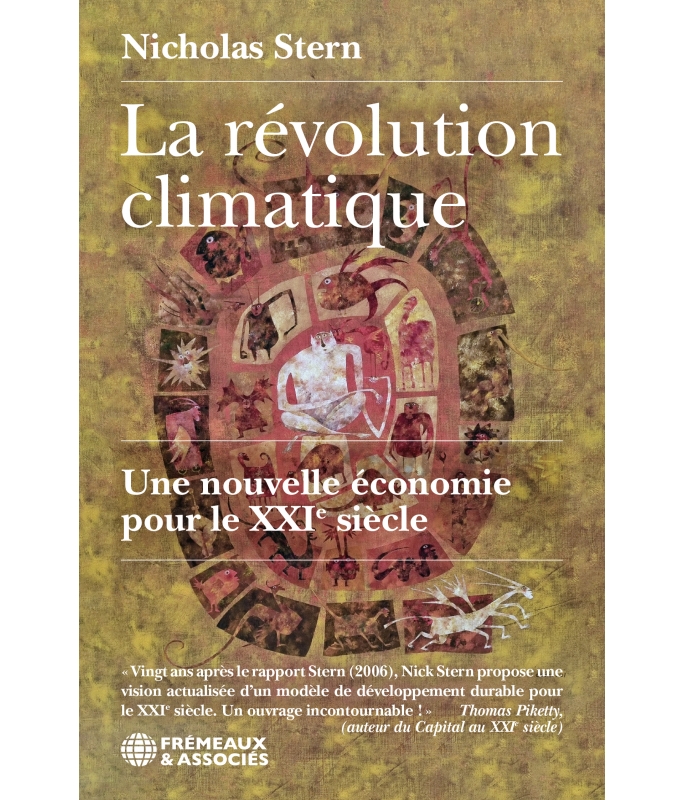
Une nouvelle économie pour le XXIe siècle par Nicholas Stern
Toute la collection Humanities Books

Benjamin Stora - Regard d’un historien sur l’Algérie
De l’intime au collectif
Paper Version
€19.50
Digital Version
€12.99

Gabriel Martinez-Gros - Espagne musulmane
L’histoire d’Al-Andalus du Califat de Cordoue à nos jours...
Paper Version
€19.50
Digital Version
€12.99
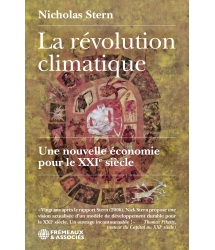
La Révolution climatique
Une nouvelle économie pour le XXIe siècle par Nicholas Stern
Paper Version
€28.00
Digital Version
€19.99
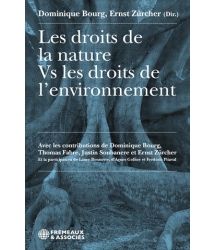
Les droits de la nature Vs les droits de l’environnement
Avec les contributions de Dominique Bourg, Thomas Fabre,...
Paper Version
€26.00
Digital Version
€17.99
Where to order Frémeaux products ?